INSIGHTS
A Fast-Food Giant Tries a Slow-Growth Solution
McDonald’s invests big in regenerative grazing to secure beef supply and cut climate risk, pushing the industry toward resilient land management
24 Nov 2025
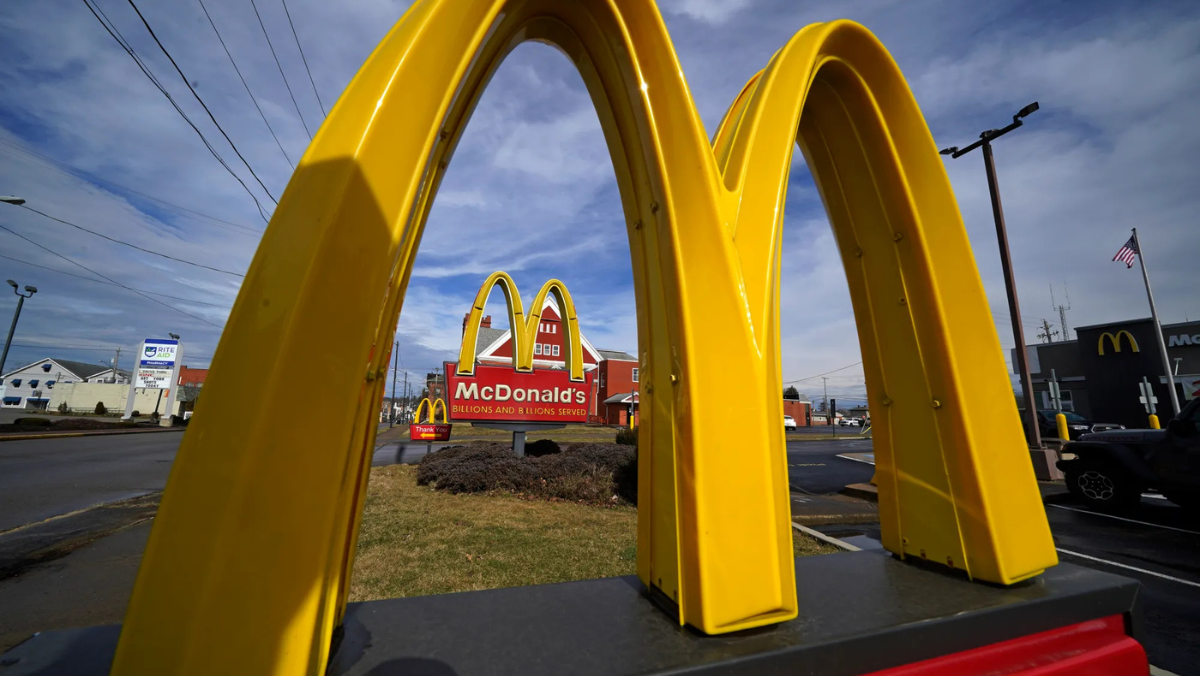
McDonald’s USA has launched a multi-year investment to expand regenerative ranching practices across the US beef supply chain, marking one of the restaurant group’s largest land-stewardship efforts to date.
The Grassland Resilience and Conservation Initiative, developed with the National Fish and Wildlife Foundation and the Natural Resources Conservation Service, will distribute more than $200mn over seven years. The programme aims to support regenerative grazing on up to 4mn acres in 38 states, an area that would cover a significant share of US cattle country.
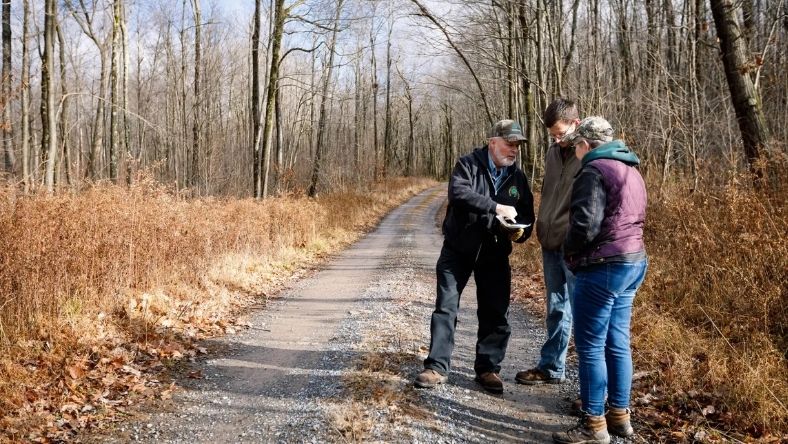
The investment comes as ranchers face rising climate pressures. Drought, volatile storms and higher production costs have increased pressure on forage supplies and operating margins. Supporters of regenerative grazing - which includes rotating cattle to allow grasslands to recover - argue that healthier soils can offer steadier feed and more predictable output.
Rather than providing direct payments alone, the initiative combines financial aid with technical assistance on land management. Many ranchers have shown interest in regenerative methods but cite limited resources or expertise. Early studies indicate that improved soils can reduce drought losses and strengthen grass growth, offering producers greater resilience during unstable seasons.
Challenges remain. Measuring environmental progress across diverse landscapes is complex, and verification tools continue to evolve. Some environmental groups warn that inconsistent reporting could weaken public confidence. Smaller ranches may also struggle with upfront costs if financial benefits accrue slowly.
Still, the scale of the plan suggests a shift in how large food companies view land management within their supply chains. The initiative broadens McDonald’s engagement with conservation groups and adds institutional backing to practices that until recently sat at the edge of mainstream ranching.
As climate risks increase, companies, ranchers and federal agencies are likely to face continued pressure to coordinate on soil and water management. The long-term impact of McDonald’s programme will depend on adoption rates, measurable ecological gains and market conditions for US beef.
For now, the investment signals that regenerative grazing is moving further into the centre of industry strategy. The companies and producers adopting it early may help define how US rangelands adapt over the next decade.
Latest News
19 Feb 2026
Quality Counts in the US Carbon Market18 Feb 2026
Satellites Drive EU Soil Carbon Market Shift16 Feb 2026
Microsoft 12-Year Pact Propels Soil Carbon Market13 Feb 2026
Digital Tools Test Soil Carbon Markets
Related News
MARKET TRENDS
19 Feb 2026
Quality Counts in the US Carbon Market

TECHNOLOGY
18 Feb 2026
Satellites Drive EU Soil Carbon Market Shift

INSIGHTS
16 Feb 2026
Microsoft 12-Year Pact Propels Soil Carbon Market
SUBSCRIBE FOR UPDATES
By submitting, you agree to receive email communications from the event organizers, including upcoming promotions and discounted tickets, news, and access to related events.