INNOVATION
AI Digs Deep to Map the Future of Soil
USDA-funded TerraScope aims to unify soil data with AI, supporting future carbon verification and advancing regenerative farming research
11 Feb 2026
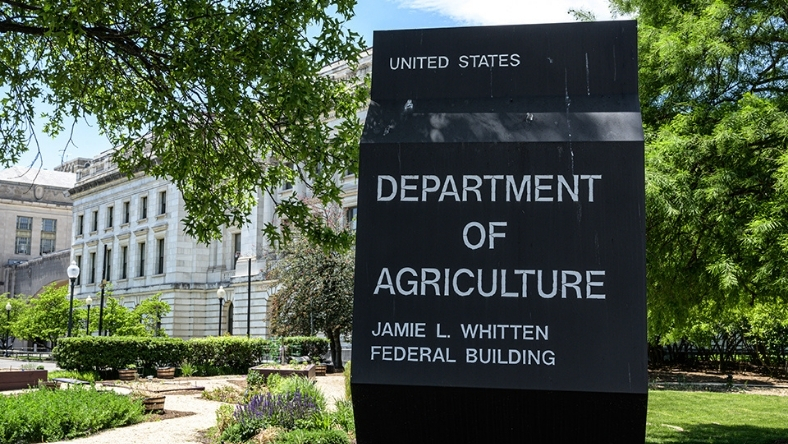
A quiet shift is underway in regenerative agriculture. It starts underground.
Backed by the US Department of Agriculture, TerraScope is a research effort that aims to bring order to the messy world of soil data. For years, farmers and scientists have worked with scattered lab reports, inconsistent testing methods, and datasets that rarely talk to each other. TerraScope wants to change that.
The project is building a digital system that can pull together soil information from farms, universities, and remote sensing tools. Instead of relying only on a handful of soil samples taken once or twice a year, researchers are exploring ways to create a steadier, more predictive picture of what is happening below the surface.
If it works, the payoff could be significant. Farmers could get faster insights into soil health. Monitoring may become less expensive. Carbon reporting, a growing focus in agriculture, could become more consistent and easier to verify.
At its core, TerraScope is about interoperability. USDA materials describe a push to make soil data easier to use and share at scale. That may sound technical, but the goal is simple: allow different systems to exchange information without friction. In regenerative farming, where proof of impact matters, clearer data flows could mean stronger claims and fewer disputes.
The timing is not accidental. Carbon markets are evolving. Food companies are tightening sustainability standards. Federal conservation programs increasingly tie funding to measurable results. In this climate, soil data is no longer just agronomic detail. It is an asset.
For agribusiness and agtech firms, the message is forward looking. Companies that offer soil testing or farm management software may need to adapt to more open data standards as projects like TerraScope mature. Collaboration could become less optional.
The initiative is still in development. Questions remain about data ownership, regional differences, and how well predictive models perform across diverse soil types. Regulators are also scrutinizing environmental claims more closely, raising the bar for accuracy.
Even so, the direction is clear. Regenerative agriculture is moving toward measurable performance, not just good intentions. And beneath the surface, AI is helping write that next chapter.
Latest News
19 Feb 2026
Quality Counts in the US Carbon Market18 Feb 2026
Satellites Drive EU Soil Carbon Market Shift16 Feb 2026
Microsoft 12-Year Pact Propels Soil Carbon Market13 Feb 2026
Digital Tools Test Soil Carbon Markets
Related News
MARKET TRENDS
19 Feb 2026
Quality Counts in the US Carbon Market
TECHNOLOGY
18 Feb 2026
Satellites Drive EU Soil Carbon Market Shift
INSIGHTS
16 Feb 2026
Microsoft 12-Year Pact Propels Soil Carbon Market
SUBSCRIBE FOR UPDATES
By submitting, you agree to receive email communications from the event organizers, including upcoming promotions and discounted tickets, news, and access to related events.