RESEARCH
Digital Tools Test Soil Carbon Markets
ALUS, Cisco Foundation and Earth Optics back new methods to cut costs and bolster credibility in US carbon credits
13 Feb 2026
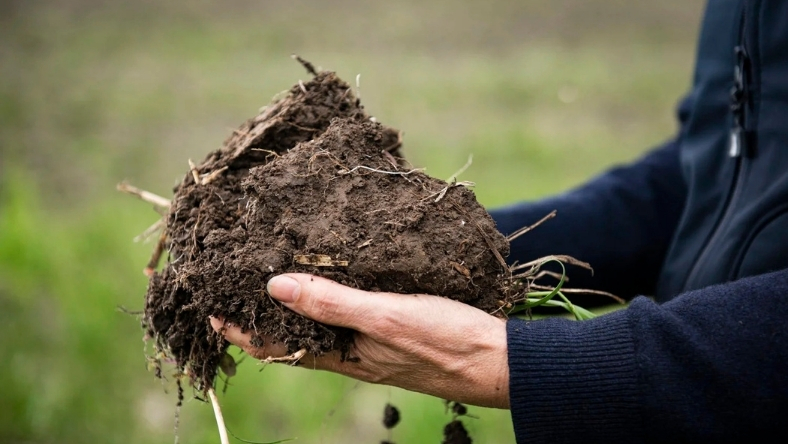
Efforts to modernise the measurement of soil carbon in US farmland are gathering pace, as ALUS works with the Cisco Foundation and soil data group Earth Optics to test digital approaches to monitoring and verification.
The initiative remains at an early stage rather than a fully deployed market solution. But it reflects a broader shift in soil carbon markets, where high costs, data quality and scalability have constrained growth.
Soil carbon projects have long faced a central challenge: proving how much carbon is stored below ground. Traditional soil sampling requires extensive fieldwork, laboratory testing and repeated site visits. The process is costly and slow to scale across large areas, limiting farmer participation and raising concerns among investors and corporate buyers about the robustness of credits.
ALUS and its partners are exploring whether digital tools can ease those constraints. The approach combines satellite imagery, field-level data collection, soil mapping and advanced analytics to reduce reliance on dense physical sampling. The aim is not to displace existing standards, but to improve efficiency and transparency while remaining aligned with registry requirements.
Earth Optics provides a commercial platform designed to generate high-resolution subsurface soil data that meets registry-level expectations. Funding from the Cisco Foundation supports the digital infrastructure and analytical capacity behind the project, rather than creating a standalone monitoring, reporting and verification system. The collaboration is intended to test hybrid models that blend physical sampling with digital measurement.
The timing is notable. Companies face rising pressure to disclose Scope 3 emissions, which are indirect emissions across their value chains, and to support climate claims with verifiable evidence. In that context, soil carbon accounting has become linked not only to environmental targets but also to financial reporting and access to capital.
Questions remain over how technology-based models will perform under third-party audit and how standards bodies will incorporate digital methods into formal verification rules. Wider adoption across registries will depend on consistent performance and transparency.
If such approaches prove reliable at scale, they could alter the cost structure of soil carbon projects across North America, with implications for farmers, investors and corporate buyers of credits.
Latest News
19 Feb 2026
Quality Counts in the US Carbon Market18 Feb 2026
Satellites Drive EU Soil Carbon Market Shift16 Feb 2026
Microsoft 12-Year Pact Propels Soil Carbon Market13 Feb 2026
Digital Tools Test Soil Carbon Markets
Related News
MARKET TRENDS
19 Feb 2026
Quality Counts in the US Carbon Market
TECHNOLOGY
18 Feb 2026
Satellites Drive EU Soil Carbon Market Shift

INSIGHTS
16 Feb 2026
Microsoft 12-Year Pact Propels Soil Carbon Market
SUBSCRIBE FOR UPDATES
By submitting, you agree to receive email communications from the event organizers, including upcoming promotions and discounted tickets, news, and access to related events.