PARTNERSHIPS
Rethinking Rice: Can a New Alliance Shift US Farming?
Kellanova, Walmart, and Indigo Ag drive scalable regenerative farming, boosting supply resilience and urging broader industry adoption
9 Dec 2025
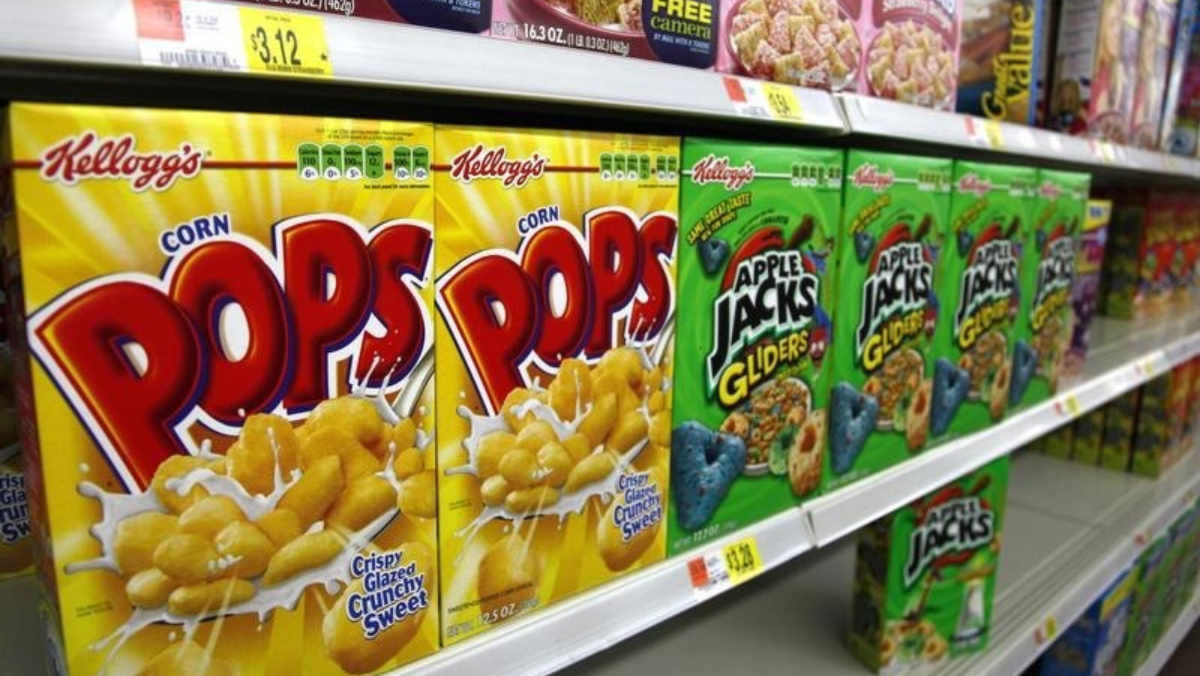
A quiet shift is underway in American rice country. Three major players are backing a shared experiment in greener agriculture, and the results could ripple far beyond the paddies. Kellanova has joined Walmart and Indigo Ag to push regenerative practices across one of the nation’s thirstiest and most carbon heavy crops. What began with scattered pilots now resembles a national test of how big brands can speed environmental change on real farms.
Corporate pressure to shrink footprints keeps rising, and Walmart and Indigo Ag have already shown that direct support for growers can trim carbon output, conserve water, and pay farmers who try climate smart methods. Kellanova’s arrival adds market muscle and hints at a clearer route to real scale.
Each partner casts the effort as both practical and strategic. Bill Hancorp of Kellanova says the collaboration protects long term ingredient supplies while giving farmers reliable help as they shift techniques. Walmart sustainability lead Lisa Donahue argues that regenerative farming delivers gains for shoppers, growers, and the soil itself. Indigo Ag views the expanding project as a proving ground for its data tools and its promise to guide farmers across diverse regions. The group hopes that a mix of incentives, measurement, and patience can move fields in a better direction.
Plenty of hurdles remain. Weather swings can erase hard won progress, and farmers often depend on steady financial backing rather than seasonal bursts. Some analysts worry that small growers may feel pushed toward programs that do not fit their operations. Even so, many observers see this alliance as one of the strongest signals that regenerative agriculture is leaving the niche stage. Interest across the food sector keeps rising, and there are early hints that coordinated incentives can shift practices faster than many expected. Only one % of U.S. cropland uses such methods today, yet momentum is building.
For now the partnership offers a preview of what a more resilient farming system could become. Corporate influence, farmer knowledge, and economic signals are landing in the same place, and others are already watching. If the push holds, it may mark the first chapter in a broader reset of how American crops are grown and how sustainability goals are met.
Latest News
19 Feb 2026
Quality Counts in the US Carbon Market18 Feb 2026
Satellites Drive EU Soil Carbon Market Shift16 Feb 2026
Microsoft 12-Year Pact Propels Soil Carbon Market13 Feb 2026
Digital Tools Test Soil Carbon Markets
Related News
MARKET TRENDS
19 Feb 2026
Quality Counts in the US Carbon Market

TECHNOLOGY
18 Feb 2026
Satellites Drive EU Soil Carbon Market Shift

INSIGHTS
16 Feb 2026
Microsoft 12-Year Pact Propels Soil Carbon Market
SUBSCRIBE FOR UPDATES
By submitting, you agree to receive email communications from the event organizers, including upcoming promotions and discounted tickets, news, and access to related events.