INNOVATION
Why AI May Be the Missing Link for Soil Carbon Credibility
AI-enabled soil analytics, paired with traditional verification, are lowering costs and improving confidence in US carbon markets
6 Feb 2026
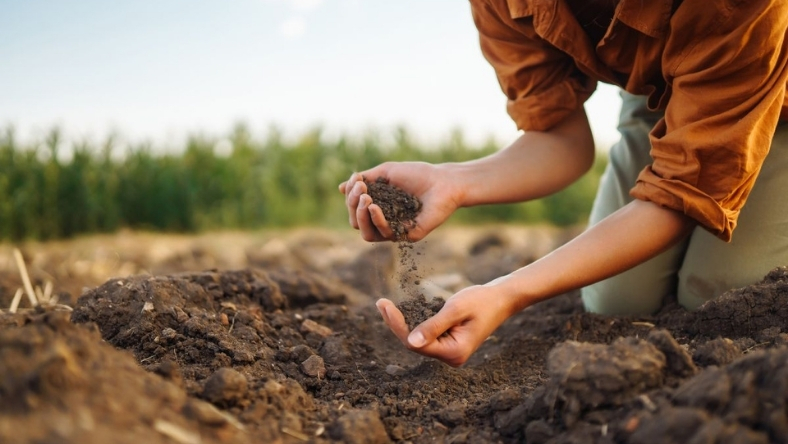
Something important is happening beneath America’s farmland. It is not louder tractors or new fertilizers, but better data. Artificial intelligence is quietly changing how soil carbon is measured, verified, and priced, giving new momentum to regenerative agriculture while strengthening trust in carbon markets.
For years, soil carbon credits struggled to move beyond niche pilots. Traditional measurement relied on physical soil sampling that was expensive, slow, and often too sparse to reflect what was really happening across large fields. That uncertainty discouraged farmers from enrolling and made buyers wary of the claims attached to credits.
AI-enabled soil analytics are helping close that gap. By combining satellite imagery, historical land use records, and weather data, these systems model how soil carbon changes over time. Instead of waiting years between samples, estimates can be updated more frequently, offering broader coverage and a clearer picture of field-level outcomes.
Crucially, these tools are not replacing boots on the ground verification. They are designed to complement soil sampling, audits, and existing protocols, using models to guide where and when physical measurements matter most. The result is lower costs without abandoning rigor.
Several companies are pushing this approach forward. Indigo Ag has expanded its soil carbon platform with advanced modeling across crops and regions. Regrow works with farmers and food companies to quantify climate and soil outcomes tied to regenerative practices. Satellite firms like Planet Labs add another layer by supplying frequent, high resolution views of land conditions throughout the growing season.
The timing matters. Demand for verified climate outcomes is rising across food, agriculture, and consumer brands. Public programs are also leaning toward performance-based incentives rather than promises. As one analyst put it, the market is moving from pledges to proof, and better data makes that proof easier to deliver.
The benefits extend beyond carbon credits. Farmers gain clearer insight into which practices actually pay off on their land. Buyers gain confidence that claims are backed by transparent data. Policymakers gain accountability without piling on paperwork.
Challenges remain, from data ownership to model transparency and regulatory acceptance. Still, momentum is building. AI is no longer an experiment on the margins. It is becoming part of the foundation for how soil carbon markets earn trust.
Latest News
19 Feb 2026
Quality Counts in the US Carbon Market18 Feb 2026
Satellites Drive EU Soil Carbon Market Shift16 Feb 2026
Microsoft 12-Year Pact Propels Soil Carbon Market13 Feb 2026
Digital Tools Test Soil Carbon Markets
Related News
MARKET TRENDS
19 Feb 2026
Quality Counts in the US Carbon Market

TECHNOLOGY
18 Feb 2026
Satellites Drive EU Soil Carbon Market Shift

INSIGHTS
16 Feb 2026
Microsoft 12-Year Pact Propels Soil Carbon Market
SUBSCRIBE FOR UPDATES
By submitting, you agree to receive email communications from the event organizers, including upcoming promotions and discounted tickets, news, and access to related events.