PARTNERSHIPS
Why Soil Health Is Becoming Big Food’s New Insurance Policy
PepsiCo and Cargill’s Iowa push shows why soil health is fast becoming a supply chain strategy, not a sustainability slogan
10 Feb 2026
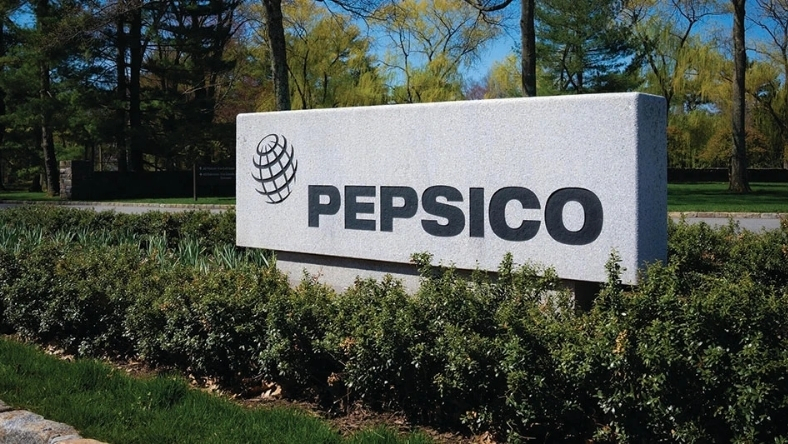
A shift is taking place across the US corn belt as large food companies move from broad sustainability targets to changes in how crops are grown, with regenerative farming increasingly treated as a tool to protect supply and manage risk.
PepsiCo and Cargill said in July 2025 that they would work together to expand regenerative practices across 240,000 acres of corn farmland in Iowa by 2030. The programme focuses on measures such as cover crops, reduced tillage and improved nutrient management, all aimed at improving soil health and maintaining yields under more volatile weather conditions.
The initiative reflects growing concern among food manufacturers and traders about the resilience of agricultural supply chains. Climate-related disruption, rising input costs and tighter environmental scrutiny are exposing the limits of conventional farming systems. Regenerative approaches are gaining attention because they promise more stable production while lowering long-term environmental impact.
Iowa’s role is central. The state accounted for more than 15 per cent of US corn output in 2024, making it a key supplier to domestic processors and global markets. Corn remains a core input for food and beverage companies, but its production has become more exposed to extremes of heat, rainfall and drought.
PepsiCo has positioned the project as part of a wider effort to reduce future exposure to supply shocks, price swings and regulatory risk by investing earlier in agricultural systems. For Cargill, one of the world’s largest grain buyers and distributors, the programme aligns with its interest in the long-term productivity of the farms from which it sources.
Practical Farmers of Iowa, a farmer-led organisation, is providing technical support and peer networks to participating growers. Its involvement is intended to lower the barriers to adoption by combining financial incentives with local expertise during the transition period.
Questions remain over how to measure environmental outcomes consistently and how to secure long-term farmer participation. Even so, regenerative farming is increasingly seen less as a niche experiment and more as a commercial response to pressure on food supply chains.
As similar projects expand, the Iowa initiative may serve as a model for how large buyers seek to secure raw materials, potentially shifting regenerative practices from a voluntary option to a standard expectation in US agriculture.
Latest News
19 Feb 2026
Quality Counts in the US Carbon Market18 Feb 2026
Satellites Drive EU Soil Carbon Market Shift16 Feb 2026
Microsoft 12-Year Pact Propels Soil Carbon Market13 Feb 2026
Digital Tools Test Soil Carbon Markets
Related News
MARKET TRENDS
19 Feb 2026
Quality Counts in the US Carbon Market

TECHNOLOGY
18 Feb 2026
Satellites Drive EU Soil Carbon Market Shift

INSIGHTS
16 Feb 2026
Microsoft 12-Year Pact Propels Soil Carbon Market
SUBSCRIBE FOR UPDATES
By submitting, you agree to receive email communications from the event organizers, including upcoming promotions and discounted tickets, news, and access to related events.